
Wine tips
Our tips for wine tasting like a pro
Discover our tips for wine tasting like a pro as we delve deeper into surroundings, tasting techniques and offer advice for epicureans and bons vivants!


Chardonnay, Sauvignon blanc or Pinot noir: grape varieties refer to the types of vines grown to produce a particular wine and play a decisive role in the wine’s identity, aroma, appearance and aging potential. With so many different grape varieties, it can be difficult to know where to start. So how can you understand the differences between them? Here is the Goguette guide to understanding the main grape varieties and their specific characteristics.
Grape varieties: diversity and identity of wine
A grape variety corresponds to a type of vine and is distinguished by characteristics such as color, grape size, skin thickness and aroma. Although there are more than 10,000 grape varieties in the world, only a dozen or so contribute to global wine production.
Depending on the terroir, soil quality and climate, each grape variety produces different flavors. As a result, some varieties, such as Chardonnay, Cabernet-sauvignon and Pinot noir, are extremely popular, while others are quite rare and associated with specific regions.

When it comes to red grape varieties, a certain few cannot be overlooked:
Tip: The ideal serving temperature depends on the structure of the grape variety. Light, low-tannin reds such as Pinot noir are best served between 14 and 16 degrees Celsius. More robust, tannin-rich reds such as Cabernet-sauvignon or Syrah reveal their full complexity between 16 and 18 degrees Celsius.
As for white grape varieties, here are the most iconic:
Tip: Storage and tasting tips: to best enjoy your dry or sweet white wines, serve them between 8 and 12 degrees Celsius for dry whites and between 6 and 8 degrees Celsius for sweet and dessert wines. These temperatures bring out the freshness and full aromatic expression of grape varieties such as Chardonnay, Sauvignon blanc and Chenin blanc.

Grape varieties and intensity: the keys to making the right choice
To make an informed choice, bear in mind your personal preferences in terms of flavor and intensity. For example, if you like light wines, go for varieties such as Pinot noir, Sauvignon blanc or Chenin blanc. If you prefer rich flavors, Cabernet-sauvignon, Chardonnay or an aromatic Gewurztraminer would be the perfect choice.
Experiment with single-varietal wines (made from a single grape variety) or blends that combine several varieties for added complexity.
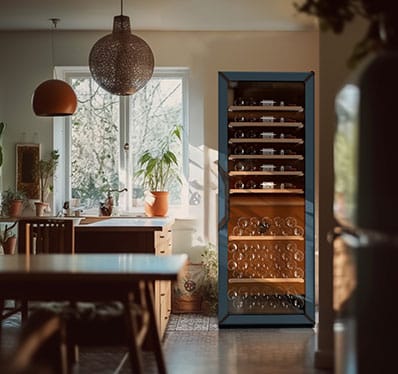
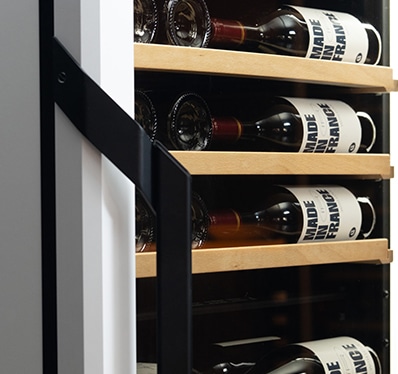
The grape variety is the soul of wine, but proper storage is what makes it great. To ensure that each grape variety fully expresses its aromas, from the structure of a Cabernet to the freshness of a Chardonnay, temperature control is the essential final step. Discover the equipment that will make all the difference.