Buyers guide
What is a serving wine fridge?
Learn more about the special features of a serving wine fridge and which model is best suited to your bottle storage needs.

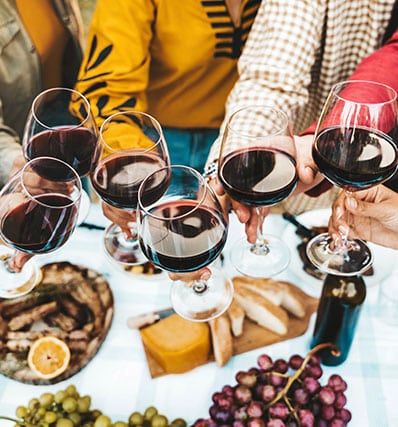
Far from being solely reserved for seasoned oenologists, wine tasting is an experience accessible to all inquisitive epicureans and bons vivants on a quest for discovery and keen to refine their palate. Whether you want to awaken your senses, expand your understanding of wine or simply share a convivial moment or two, a few key techniques are all you need to appreciate the complexity of each and every bottle. Here are our tips for tasting like a pro.
To perceive all the nuances of a wine, it is enough to meet a few simple but essential conditions.
First and foremost, it is important to choose a quiet, well-lit space and avoid any odors that could interfere with your perception, such as perfumes, smoke or cooking smells.
Successful wine tasting also begins with the right choice of glass: opt for stemmed, transparent, colorless glasses. And be sure to choose a reasonable size if several wines are on the menu.
Tip: always hold your wine glass by the stem (the thin part of the base) so that you do not warm the wine with the heat of your hands.
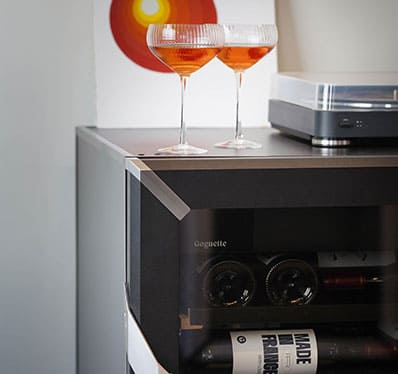
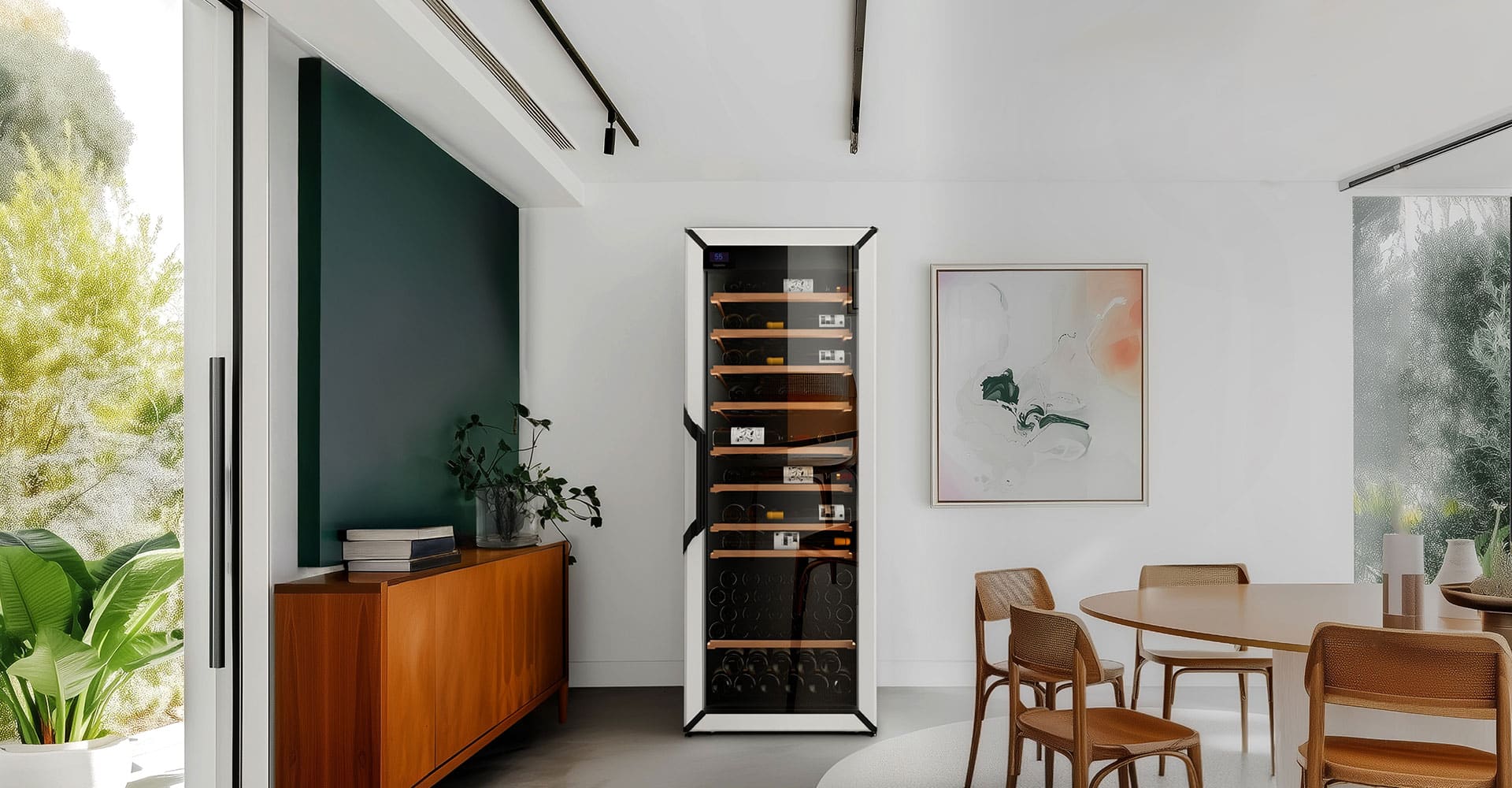
The serving temperature of the wine is also important. Even the finest wine loses its finesse if it’s too hot or too cold. It’s therefore important to respect the ideal temperatures for each type of wine to fully enjoy the tasting. For added convenience, a wine serving fridge keeps your bottles at the right temperature and always within reach.
The first step in tasting wine is to examine it visually.
Start by tilting the glass in front of a white background. This allows you to observe the wine’s color, intensity and clarity.
Note: the color of wine changes with age. A young red wine often displays purplish or crimson hues, while a more mature wine tends toward brick red or brown tones. White wines, on the other hand, change from a very pale color to straw yellow, golden yellow or amber as they age.
To assess the viscosity of wine, swirl it gently in the glass. Streaks will appear on the sides: these are what are famously referred to as tears of wine. The more pronounced they are and the slower they descend, the ‘richer’ the wine is, indicating a high alcohol or sugar content. Conversely, thin tears that flow quickly may indicate a lighter wine with more pronounced acidity. This is referred to as a lively wine.

Before tasting the wine, take the time to explore its aromas.
Start by smelling it without swirling it in the glass: this is known as the first nose. This step allows you to determine whether the wine is ‘closed’ or ‘open’. If you can barely smell anything, the wine is said to be closed. On the other hand, if it is already releasing aromas, it is considered to be open.
Next, gently swirl the wine in the glass to aerate it and release more aromas: this is the second nose. Try to identify the main aromatic families, such as fruity notes (grapefruit, blackcurrant), floral notes (violet, rose), woody notes (pine, cedar), or spicy notes (pepper, cinnamon).
Now the moment to finally taste the wine has come.
Take a small sip and swirl it around your mouth, drawing in a little air. Yes, this will produce that funny, slightly strange sound. But don’t worry, it’s a classic wine tasting technique that helps to release and better detect the wine’s aromas.
Also note the balance between acidity, sweetness, bitterness and alcohol, and evaluate the texture. Is the wine sweet, tannic, light? Finally, analyze its length on the palate: a great wine is distinguished by its long aromatic persistence, while a less complex wine will have a shorter persistence.
Good to know: should you spit out wine when tasting?
Spitting helps counteract the effects of alcohol, especially when tasting several wines in a row, as is often the case at professional events. But don’t worry, this in no way detracts from the pleasure of tasting! The key is to savor the experience, without overindulging, and while remaining in control of your senses.

The final stage of this sensory journey is the overall analysis of the wine.
Take a moment to reflect on the sensations the wine has elicited in you, and ask yourself the following questions:
And above all, did you enjoy it? After all, the finest wine is the one you take pleasure in drinking.
The right reflex: To take things further, consider using a tasting notebook. By noting down your impressions at each stage, you will gradually build up a tasting memory that will help you refine your nose and palate… and you will have a record of your preferences to guide you in your future purchases.
Whether you’re enjoying your wines during a convivial gathering with friends, a more technical discovery, or a special occasion, the right tasting temperature is essential to fully enjoy each bottle. Discover our tips for choosing the right equipment.