
Wine tips
Wine storage: what criteria must be met?
Temperature, humidity, light, vibrations… Read on to learn the best practices for storing your bottles and enjoying the most from every tasting.
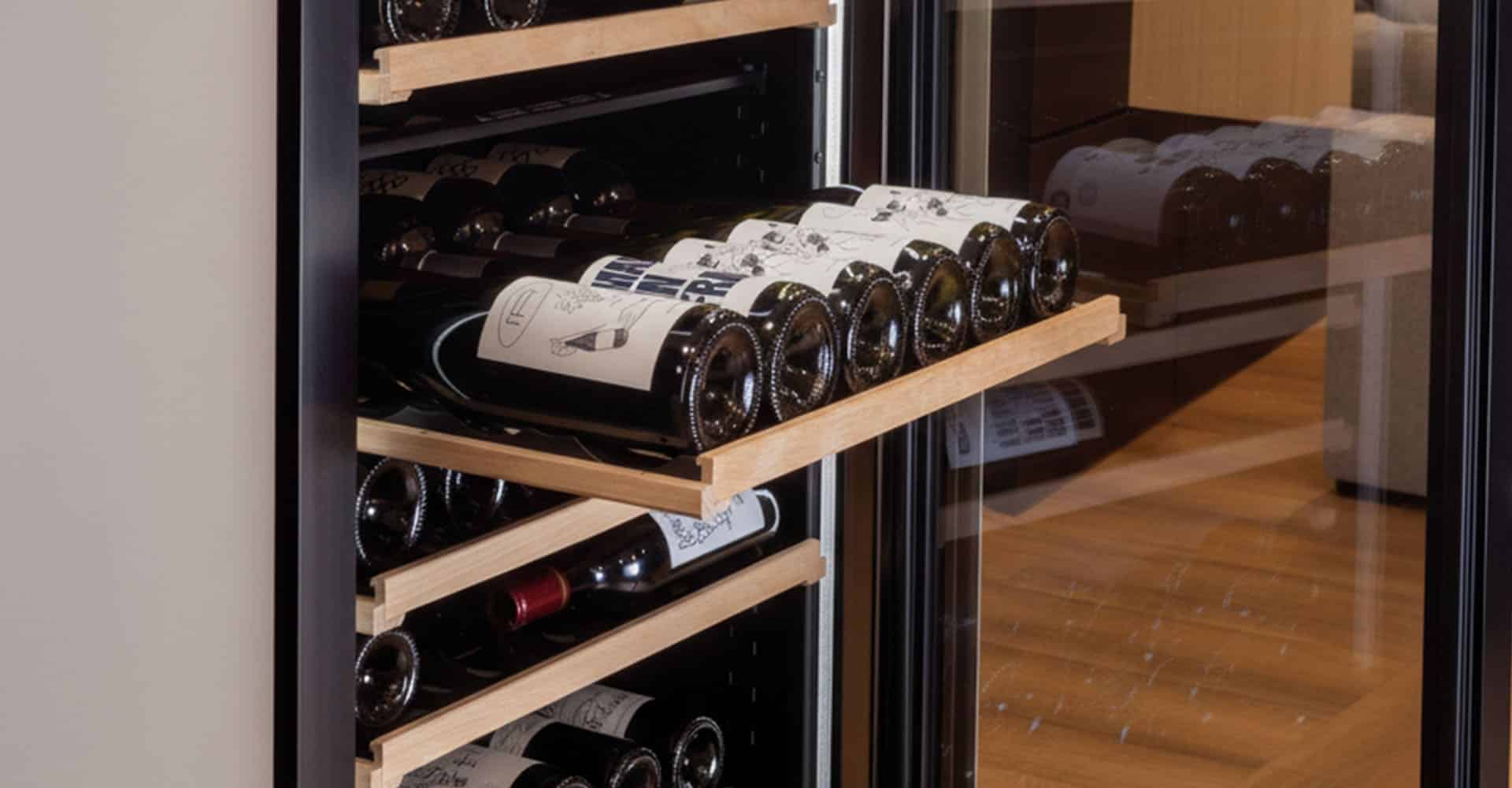

The way in which you store your wine is crucial to ensuring it is properly preserved and retains all its bouquet on serving. Whether it is a question of position, temperature or light, discover all the measures requested to ensure your bottles are stored in the best possible conditions.
The first condition to be met for optimal wine storage is temperature, which varies depending on whether you want to hold onto your bottles for a while or open them in the near future. The recommended temperature for medium or long-term storage is around 12°C. For wines that are soon to be opened, the temperature should be the same as the serving temperature: between 8°C and 14°C for whites and rosés, and 16°C and above for reds.
Thermal shocks can also alter the aromatic properties of your wine. Avoid rooms subject to large temperature variations and opt for a wine fridge where the temperature remains constant, summer and winter alike.
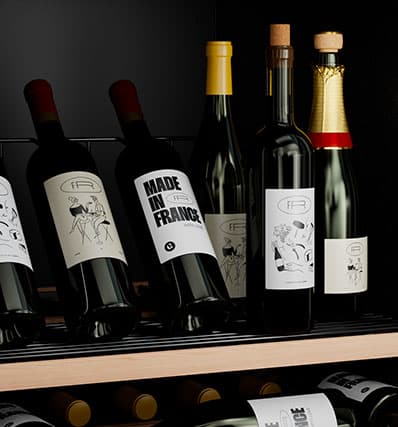
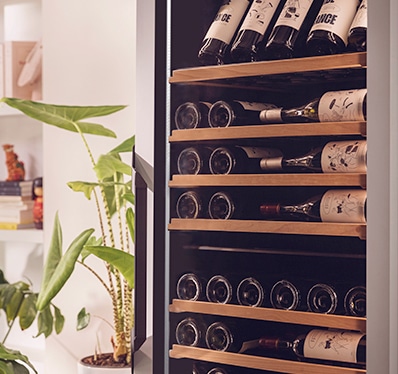
Another essential factor is position. It is recommended that you store your bottles in a recumbent position in order to keep the cork moist, thus ensuring it retains all its elasticity and watertightness. However, it should be noted that bottles can be stored upright for short periods of time without any undue risk to their quality.
Special attention should also be paid to sunlight, which can degrade the properties of your wine. Choose a space that is protected from light or lit by an LED system with a UV filter to avoid any unpleasant surprises on opening.
One last factor that is often overlooked is humidity. A room that is too dry can affect the seal of the cork and speed up the wine oxidation process. Choose a space with a humidity level between 70 and 80%.

Choosing the ideal wine cellar: tips and solutions for optimal storage
As you can see, wine storage requires special attention, and it can be difficult to meet the optimum conditions for its proper preservation. The simplest and most effective solution for storing your bottles is to opt for an electric wine fridge.
Whether you’re looking for a storage or multi-purpose fridge, shelves or storage space, follow our advice to make the right choice for you.
Wine cellars: choosing the right solution for your needs
A wine storage fridge, also known as a ‘single-temperature wine fridge’, is designed to store your bottles at a steady temperature, adjustable between 5 and 18°C. This is the ideal wine fridge if you want to store your wines for the long or medium term. Just like a traditional wine cellar, it preserves your wines in optimum conditions by maintaining stable humidity and temperature levels, and protecting them from vibrations and light.
Multi-purpose wine cooler are versatile wine fridges, featuring several compartments for storing your bottles at different temperatures. Whether you have red or white wine, wine for aging or ready to serve, our multi-purpose wine fridge can adapt to all your varying needs. Its three independent compartments allow you to set different temperatures: 5 to 10°C in the lower section for white and sparkling wines, 9 to 14°C in the middle for storage, and 15 to 20°C in the upper section for reds, all while ensuring your bottles are protected from light and vibrations and stored at optimum humidity levels.

Storage and shelves: optimise the organisation of your wine cellar
If you have an extensive wine collection, organizing your wine fridge can quickly become a headache. Storage solutions designed for wine make it easy to safely store your bottles and access them quickly. The round shape of wine bottles makes them prone to rolling or sliding, with all the inherent risk of breakage this entails. Perfectly adapted storage spaces allow you to optimize the available space to store as many bottles as possible without any unfortunate mishaps. And if you have a large number of bottles, weight is also a significant factor to consider. In this case, sturdy shelves designed to support heavy loads, quickly become a must.
The Goguette shelving is all that and more! Highly versatile, it can be adapted to suit all uses. Sturdy enough for storage and allowing you to stack a large number of bottles, it can also be converted into a sliding shelf so you can organize your wines however you like: head-to-toe to save space, or with the labels visible so you can find just the bottle you’re looking for in the blink of an eye.
Finally, a shelving solution that adapts to all your needs and all your wines! It is designed to accommodate every bottle shape. The individual bottle holders and adjustable spacing between shelves allow you to store standard sizes as well as magnums, champagne bottles, and even those rarer super-sized bottles.
Wine cellars: the right size for your needs and space
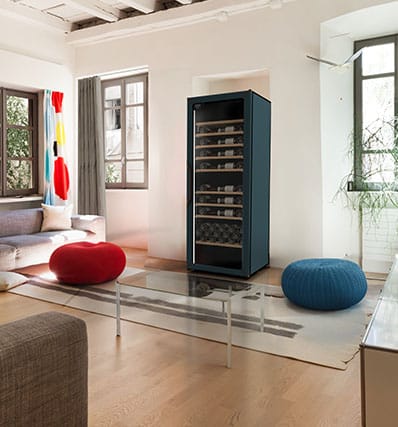
Here again, everything depends on your needs, but also on the available space. Wine fridges come in several sizes, from small cabinets for storing a few bottles to XXL models for serious connoisseurs. Whether you have a large kitchen or a small apartment, you’ll find a wine fridge model to suit every space.
A wine cellar that combines design and performance
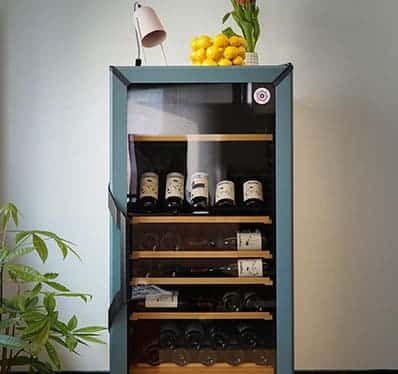
Whether you are drawn to the elegance of black, the purity of white or the playfulness of color, with its adjustable lighting and a glass door that transforms your bottles into a decorative feature in their own right, your wine fridge will quickly become your star guest!
Whatever your needs, with Goguette, find the wine fridge that’s right for you and enjoy the quality of French craftsmanship to store your bottles in the best possible conditions.
Storing wine properly is essential for preserving its aromas and quality. Discover our tips and solutions for choosing the ideal wine cellar and optimising the organisation of your bottles.